
History of Engineering: The Automobile
The automobile is one of the most transformative inventions in human history. It reshaped personal mobility, accelerated global industrial growth, and gave individuals new levels of independence. Yet the car we know today emerged only after centuries of experimentation, innovation, and engineering evolution.
Automobile engineering provides the foundation for understanding and designing road vehicles. It encompasses mechanical systems, electronics, safety technologies, software controls, and vehicle dynamics. This discipline applies to all vehicle types—cars, motorcycles, buses, and heavy trucks—and integrates multiple branches of engineering to create safe, efficient, and reliable machines. With that in mind, automotive engineering is ultimately about designing, developing, and refining the systems that bring modern transportation to life.
Early Origins: Steam, Electric, and the Birth of Gasoline Power
The story of the automobile begins far earlier than many realize. As early as the late 1700s and early 1800s, inventors in Europe were already experimenting with steam-powered and even electrically powered vehicles. Although groundbreaking for their time, these early machines were slow, unreliable, and impractical.
Gasoline-powered mobility arrived much later. Foundational advances in internal combustion began in 1823 with Samuel Brown’s early engine design. In 1867, Nikolaus August Otto dramatically improved combustion efficiency, and in 1877, he introduced the four-stroke engine cycle—the basis of modern gasoline engines.
The true turning point came in 1885, when Karl Benz built the first practical gasoline-powered automobile. This invention launched a new era and set the stage for the vehicular revolution that would soon take hold in America and beyond.
How the Electric Starter Transformed the Automobile Forever
The invention of the electric starter by Charles F. Kettering—first introduced on the 1912 Cadillac—marked a turning point in automotive history. Before this breakthrough, gasoline cars required hand-cranking, a strenuous and sometimes dangerous task that made early electric vehicles far more appealing, especially to women, who valued their cleaner, quieter, and easier operation for everyday driving. Kettering’s electric starter eliminated the hazardous crank and replaced it with a safe, reliable electric motor, instantly making gasoline automobiles more accessible to a broader population.
This innovation not only improved safety and convenience but also helped internal combustion engines surpass their early electric competitors by removing one of the EV’s biggest advantages—effortless starting. As a result, the electric starter played a pivotal role in shifting automobiles from a niche, mechanically demanding technology to a mass-market mode of transportation.
The Rise of Automotive Manufacturing
In the 1880s, Gottlieb Daimler and Karl Benz began commercial automotive production, establishing the blueprint for the modern motor vehicle. Meanwhile, the earliest cars lacked features we take for granted today—no windshields, seat belts, mirrors, or turn signals.
That changed with Henry Ford, whose engineering vision reshaped mobility. In 1908, Ford introduced the Model T, a four-cylinder, 20-horsepower car priced at $825. Its two-speed transmission made it easy to drive, its detachable cylinder head simplified repairs, and its high chassis handled the rough rural roads of early America. The Model T was durable, lighter than competitors, and most importantly, affordable.
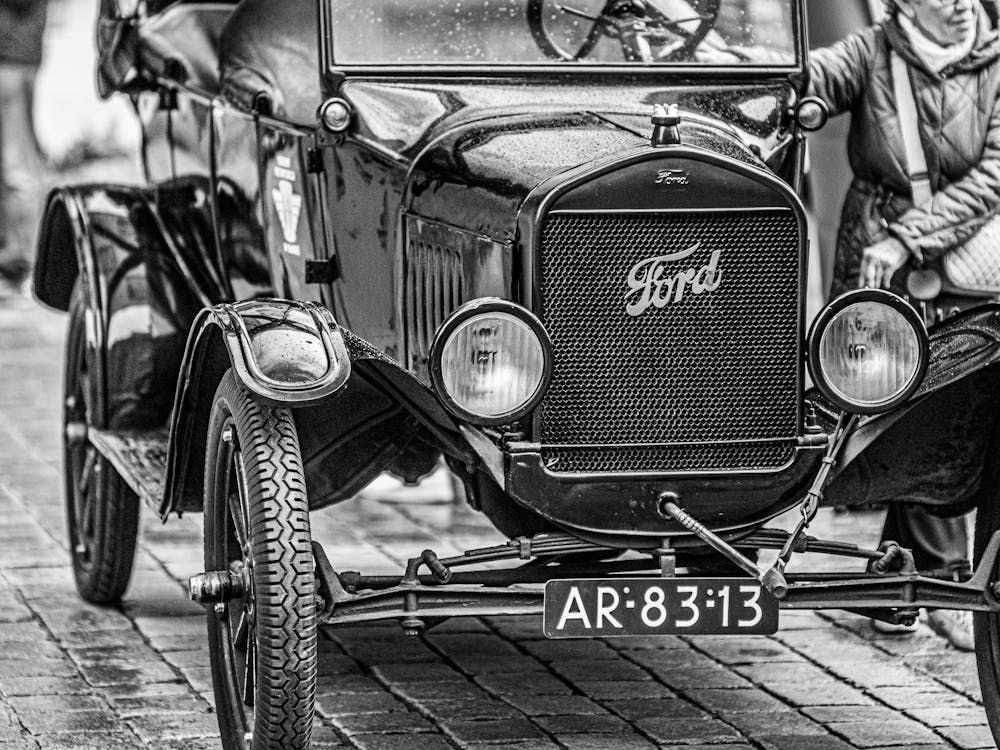
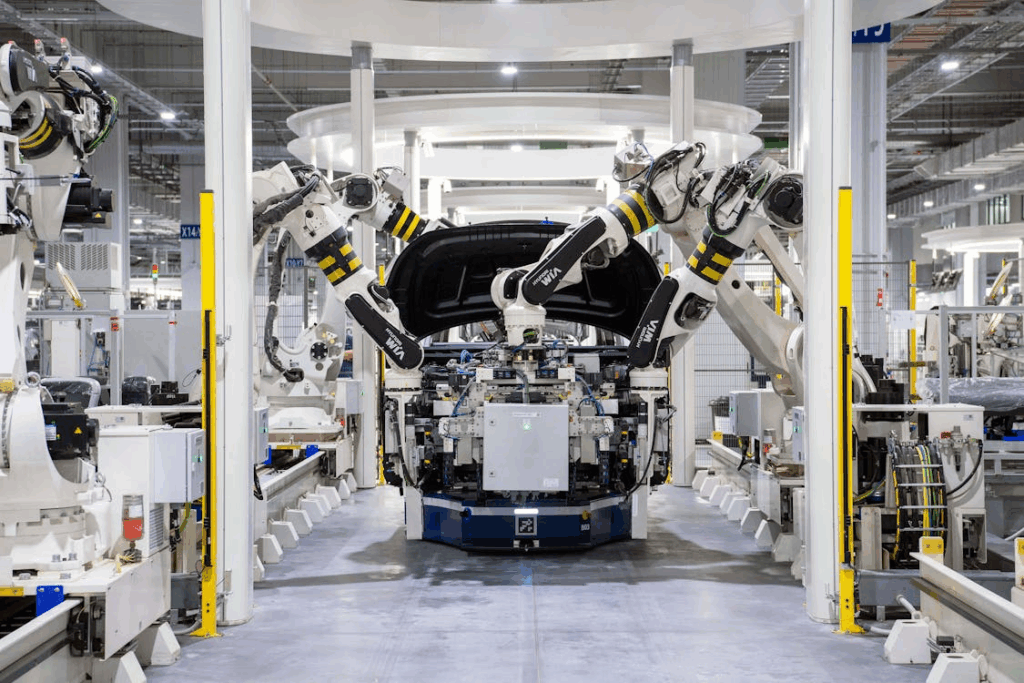
Ford’s next breakthrough arrived in 1913 with the moving assembly line, boosting production from about seven cars per hour to 146. Costs dropped dramatically, sales exploded, and Ford soon commanded nearly half of the U.S. automobile market. By 1913, the U.S. produced 485,000 of the world’s 606,000 motor vehicles.
Innovation, Industry Shifts, and World War II
During the 1920s and 30s, global manufacturers such as Fiat, Citroën, and Volkswagen rose to prominence. But as more companies entered the industry, market saturation took hold. Technological progress slowed, and the number of active American automakers fell from 253 in 1908 to just 44 by 1929.
The Great Depression and World War II further reshaped the auto landscape. In WWII, U.S. automakers redirected their factories to support the war effort, ultimately providing one-fifth of America’s total wartime production.
After the war, new issues emerged, including:
- Nonfunctional styling in American cars
- Growing concerns over safety
- Rising fuel consumption in “gas-guzzling” models
- Environmental questions surrounding pollution and oil depletion
These challenges opened the door for foreign automakers, especially Japan, whose fuel-efficient, well-built small cars attracted a growing share of the global market. By 1980, Japan became the world’s leading auto producer, a position it maintains today.
Automobiles Through the Late 20th and Early 21st Century
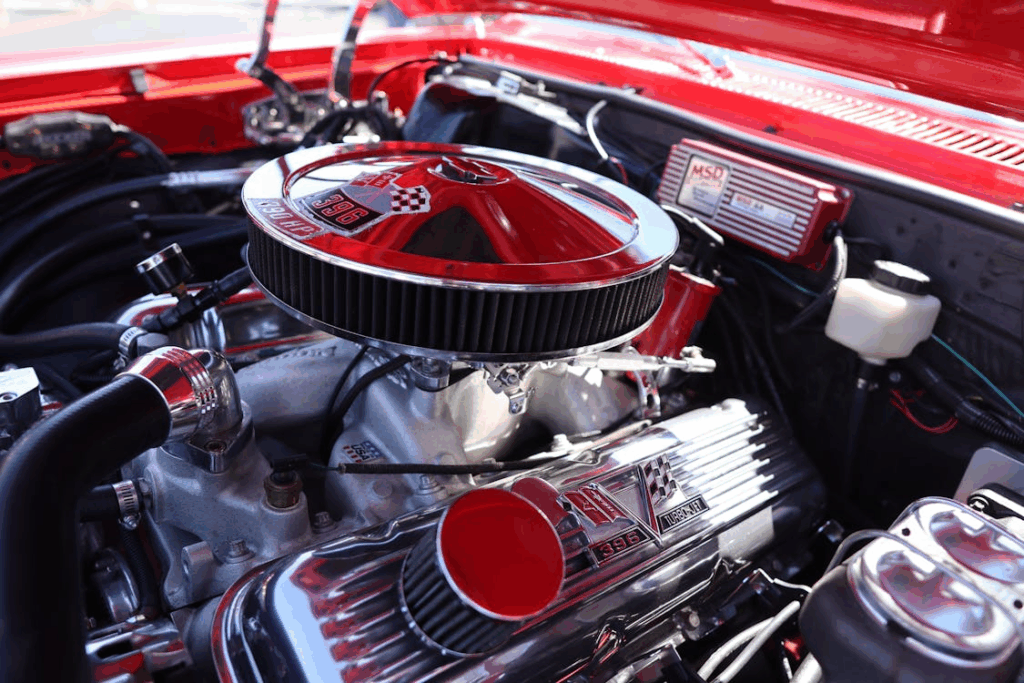
By the late 20th and early 21st centuries, automobiles underwent a dramatic transformation, becoming increasingly computerized and much safer thanks to technologies such as anti-lock brakes, electronic fuel injection, cruise control, and airbags. This era also saw a strong push toward better fuel efficiency and alternative energy sources, marked by the emergence of hybrid vehicles and a renewed surge of interest in electric cars driven by advancements in battery technology.
The 1990s: Rise of SUVs and Light Trucks
While many consumers appreciated the safety, power, and size of pickup trucks, those vehicles didn’t fit every lifestyle. That’s where the SUV emerged as an ideal middle ground. Early SUVs—long before “sport utility vehicle” became a common term—were essentially truck-based body-on-frame vehicles built for off-road enthusiasts, serving a relatively small niche.
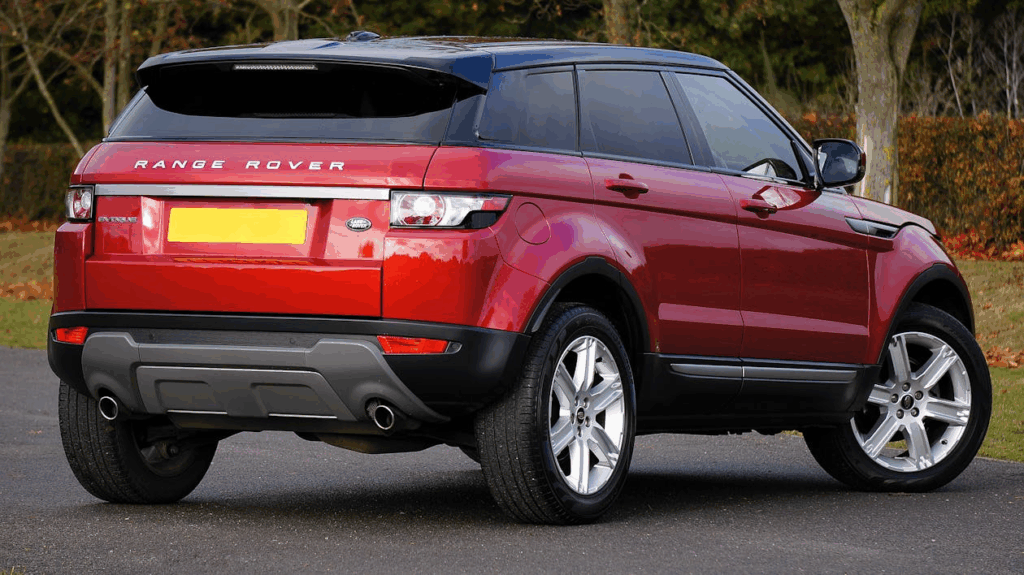
But everything shifted in the 1990s with the arrival of more car-like models designed for everyday use. Vehicles such as the Ford Explorer and Jeep Grand Cherokee debuted to strong demand, sparking explosive growth in the SUV segment. Drivers were drawn to the blend of rugged capability, generous space, and the elevated seating position that conveyed a sense of safety. As SUVs surged in popularity, traditional station wagons—once the family-car standard—saw their sales rapidly decline. In the 1990s, U.S. automakers leaned heavily toward producing:
- SUVs
- Pickup trucks
- Minivans
Corporate Average Fuel Economy (CAFE) regulations classified these vehicles as “light trucks,” allowing manufacturers to sell large, heavy vehicles without facing fuel-efficiency penalties. Meanwhile, American companies invested in or acquired stakes in foreign automakers, prompting international brands to open more U.S. production facilities.
The 2000s: Recession, Oil Prices, and Market Upheaval
The early 2000s brought economic turbulence, from the 2001 recession to sharp rises in oil prices between 2005 and 2008. With American automakers dependent on gas-hungry trucks and SUVs, sales plummeted. Leading GM and Chrysler to file for bankruptcy. This era marked a shift toward more efficient vehicles and new powertrain technologies.
The 2010s and 2020s: The Electric Revolution
The late 2010s and early 2020s saw the rapid rise of electric vehicles. Tesla, founded as an electric-only automaker, became the world’s most valuable car company by market capitalization in January 2020 and produced more than half a million cars that same year. This milestone signaled the acceleration of a global move toward zero-emission mobility.
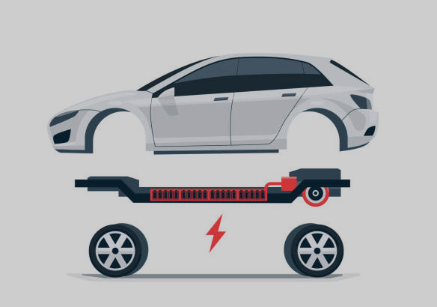
How Cars Have Evolved—and Where They’re Going
At the start of the 20th century, nearly 38% of U.S. cars were electric. Although gasoline engines dominated for much of the century, electrification has returned with full force. Hybrid vehicles gained mainstream traction after Toyota introduced the Prius in 1997, and today, fully electric vehicles continue to grow in popularity as concerns about climate change increase.
The future of the automobile will be defined by several major trends:
- Electrification
- Autonomous driving
- Lightweight, multi-material structures
- Advanced manufacturing
- New mobility systems and infrastructure
Cars are becoming smarter, smaller, lighter, safer—and more connected than ever.
Materials, Manufacturing, and the Push for Lightweight Design
A vehicle’s performance—crashworthiness, handling, noise/vibration control, efficiency, and vehicle dynamics, depends heavily on its body structure and suspension. Automakers must balance stiffness, strength, mass, manufacturability, repeatability, and durability. And with electrification gaining momentum, lightweight design has become even more important.
This has led to the adoption of multi-material body structures, blending:
- High-strength steel
- Aluminum
- Plastics and composites
- Magnesium and other light metals
Steel remains important, but aluminum is prized for its low density and corrosion resistance. However, joining aluminum and steel presents engineering challenges due to fragile intermetallic layers, requiring advanced bonding and riveting techniques.
How is your body similar to a car?
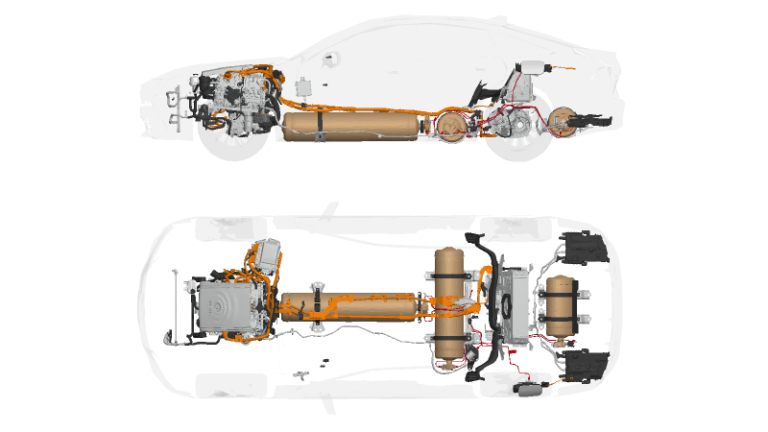
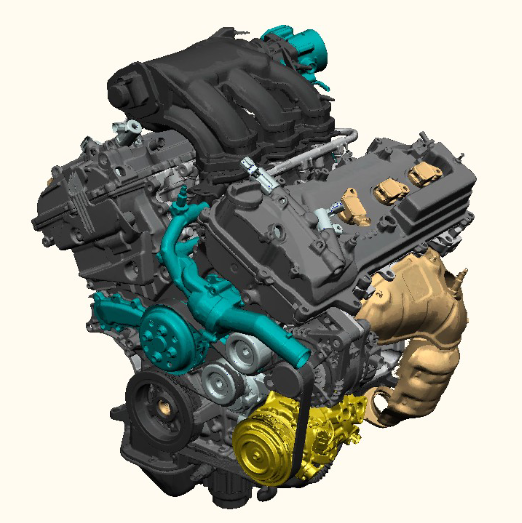
Just like the human body, your car is a complex system of metal, moving parts, and vital fluids that keep everything functioning as it should. In fact, today’s automobile contains more than 14,000 components working together much like the organs and systems of the human body. Core systems include:
- Engine and fuel systems
- Electric power and wiring
- Transmission and drivetrain
- Cooling and lubrication
- Suspension, braking, wheels, and tires
- The vehicle body and frame
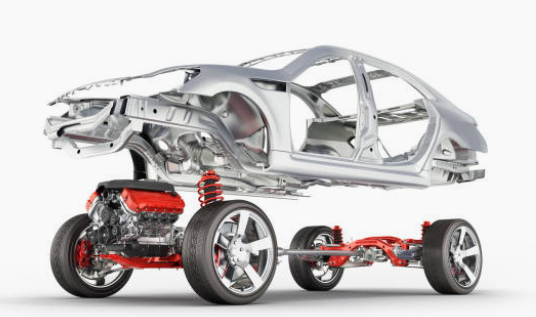
Much like the human body’s organs and circulatory systems, vehicles rely on networks of coolant, oil, fuel, and electrical signals. The engine functions as the “heart,” while the electrical system mirrors the nervous system. The chassis and body structure form the car’s “skeleton,” providing strength, rigidity, crash protection, and mounting points for all other systems.
When the body-in-white (BIW) leaves the body shop, one of the first subsystems installed is the wiring harness—similar to nerves connecting throughout the human body.
Conclusion
The history of the automobile is a story of relentless innovation, shaped by centuries of engineering breakthroughs, economic forces, and societal needs. From early steam and electric experiments to the dominance of gasoline engines, from Henry Ford’s assembly line to today’s multi-material electric vehicles, the automobile has continuously evolved to meet the challenges of each era.
What began as a simple mechanical invention has grown into one of the most complex systems humans have ever created—an intricate assembly of thousands of components working together much like the human body. Each shift in materials, design, safety, and propulsion reflects the changing priorities of our world, whether it be efficiency, performance, affordability, or environmental responsibility.
As we advance into an era defined by electrification, autonomous systems, and sustainable manufacturing, the automobile remains a powerful symbol of technological progress. Its future will depend on how engineers, designers, and researchers push the boundaries of what a vehicle can be—lighter, safer, cleaner, and smarter than ever before.
The evolution of the automobile is far from over. In many ways, it is just entering its most transformative chapter.



That is really interesting, You’re an overly professional blogger.
I have joined your rss feed and sit up for in search of more
of your great post. Additionally, I’ve shared your web
site in my social networks